
 فارسی
فارسی العربية
 English
Medjool Dates
The King of Dates with Exceptional Taste and Size
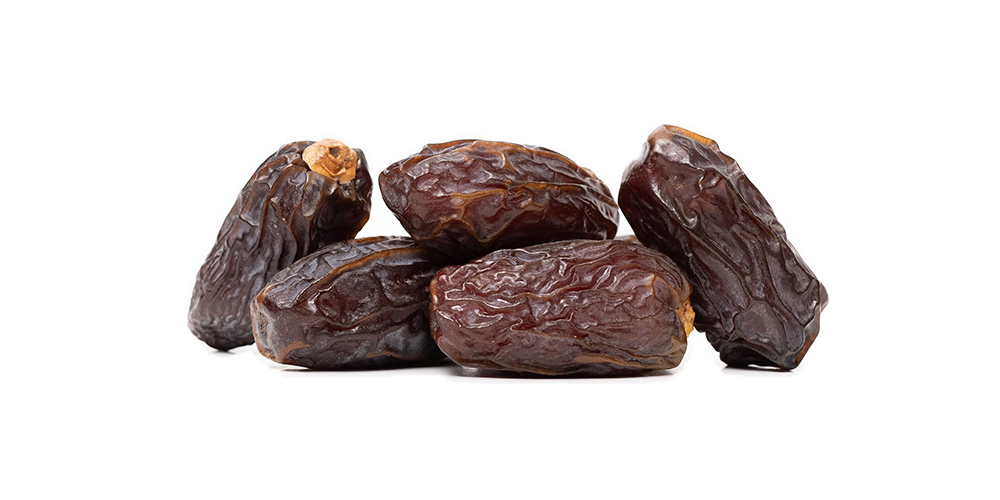
Medjool dates, often referred to as the “King of Dates,” are renowned worldwide for their large size, caramel-like sweetness, and soft, fleshy texture. Although their origin traces back to Morocco, in recent years Iran—especially the provinces of Kerman, Sistan and Baluchestan, Fars, and Hormozgan—has become a notable producer of high-quality Medjool dates. Thanks to their superior quality and exquisite taste, Iranian Medjool dates are gaining increasing popularity in export markets.
Why Should You Try Medjool Dates?
Extra Large Size: Medjool dates are among the largest date varieties in the world, making them a luxurious and satisfying snack.
Delicious and Unique Taste: With a sweet, caramel-like flavor and a sticky, soft texture, they are a natural treat for flavor lovers.
Rich in Nutrients: Medjool dates are a great source of potassium, magnesium, fiber, vitamins B and C, and natural sugars, making them ideal for sustained energy.
Good for Heart and Brain: Rich in antioxidants and beneficial compounds, regular consumption supports cardiovascular and brain health.
Culinary Uses: Medjool dates are versatile used as snacks, in smoothies, energy bars, desserts, or even stuffed with nuts or cheese.
Are Medjool Dates Organic?
In Iran, Medjool dates are typically grown traditionally without chemical pesticides. Many palm groves use natural irrigation and low-impact farming methods, producing near-organic fruits. Some reputable producers also package Medjool dates under internationally recognized organic standards.
Lifespan and Productivity of Medjool Palm Trees
Like other date palms, the Medjool tree has a lifespan of 100 to 150 years and starts bearing fruit around 5 to 7 years old. Although it requires more care, it produces high-quality, export-grade dates.
Medjool Dates: Features and Benefits
1.Health Benefits
Energy Booster: Thanks to their natural sugars, Medjool dates offer a quick and healthy energy source, ideal for athletes and active individuals.
High in Fiber: Promotes digestion and helps prevent constipation.
Rich in Minerals and Vitamins: Contains significant levels of potassium, magnesium, iron, and calcium for heart, muscle, and bone health.
Antioxidant-Rich: Supports the immune system and protects cells from oxidative stress.
Skin-Friendly: Nutrient content may benefit skin health.
2. Uses of Medjool Dates
Consumed directly as a healthy snack
Used in desserts and sweets
Added to smoothies and juices for flavor and energy
Incorporated into certain Middle Eastern and Iranian dishes
3. Who Should Consume Them?
Athletes: Due to their nutrient and energy content
People with Anemia: Because of their iron content
Those with Digestive Issues: Thanks to their high fiber
Busy Professionals or Students: Who need quick, natural energy
4. Shelf Life
Medjool dates have low moisture and firm texture, making them shelf-stable for up to 6 months in cool, dry conditions. With proper packaging, they can last even longer.
5. Appearance
They have a dark brown, glossy exterior and a soft texture, resembling dry dates. When heated, they appear slightly oily.
6. Size
Medjool dates are among the largest, typically measuring between 4 to 6 cm in length.
7. Moisture Level
Their moisture content is typically around 16–18%, making them suitable for long-term storage.
8. Sweetness
They have a medium to high sweetness due to their natural glucose and fructose content perfect for those seeking natural sweetness.
9. Product Quality
Iranian Medjool dates are considered premium quality, often presented in luxury packaging for export. Grown traditionally or organically, their quality meets international expectations.
Conclusion
Medjool dates are one of the world’s finest varieties, recognized for their large size, soft texture, and rich caramel-like flavor. Cultivated with care in regions like Kerman and Sistan-Baluchestan, Iranian Medjool dates stand out in both local and global markets as a healthy, delicious, and luxurious choice.
:Nutritional Information per 100g
|
Amount |
Nutrient |
|---|---|
|
277 kcal |
Energy |
|
1.81 gr |
Protein |
|
0.15 gr |
Fat |
|
75.03 gr |
Carbohydrates |
|
8.1 gr |
Fiber |
|
63.35 gr |
Natural Sugar |
|
696 mg |
Potassium |
|
54.0 mg |
Magnesium |
|
39 mg |
Calcium |
|
0.90 mg |
Iron |
|
7 IU |
Vitamin A |
|
0.4 mg |
Vitamin C |